THE MUSICAL INSTRUMENTS OF THE ANCIENT GREEKS
- KEY HIGHLIGHTS
- Robotics
- computing mechanisms
- Automation & Programming
- Telecommunication
- CRYPTOGRAPHY
- astronomy
- AUTOMOTION & AUTOMATIC NAVIGATION
- Steam mobility
- Jet Propulsion
- RELIGIOUS TECHNOLOGY
- “PNEUMATIC” AUTOMATA
- MEASURING INSTRUMENTS
- TOOLS & MACHINES
- GEODESY & CARTOGRAPHY
- timekeeping
- Gadgets
- HOISTING MACHINES
- MILITARY TECHNOLOGY
- ATHLETIC TECHNOLOGY
- Strategy & showing games
- MEDICAL TECHNOLOGY
- HYDRAULIC TECHNOLOGY
- NAVAL TECHNOLOGY
- TEXTILE TECHNOLOGY
- ancient theatre technology
- AGRICULTURAL TECHNOLOGY
- The Measurements of Man
- PULLING MACHINES
- KINEMATIC MECHANISMS
- WIND & HYDRAULIC ENERGY
- MATERIAL TECHNOLOGY
- MUSICAL INSTRUMENTS
The culture of ancient Greeks, as of no other population, was permeated with music, which was inseparable from poetry and dancing.
Ancient Greek music used an enormous variety of many different modes (Mixolydian, Lydian, Phrygian, Dorian, Aeolian, Ionian, etc.) instead of the two (Major and Minor scales) of contemporary western music.
Furthermore, it was richer with the “chromatic” and “henarmonic” genus, and their “colourings”, which supplemented the “diatonic” one, used exclusively today.
Finally, it bequeathed to us the theory of “musical intervals” which have suffered, however, in modern European music, the “brutal” blending for the benefit of polyphony at the expense of the perfect natural musical intervals studied thoroughly by the ancient theorists of music (from Pythagoras and Aristoxenus to Ptolemy).
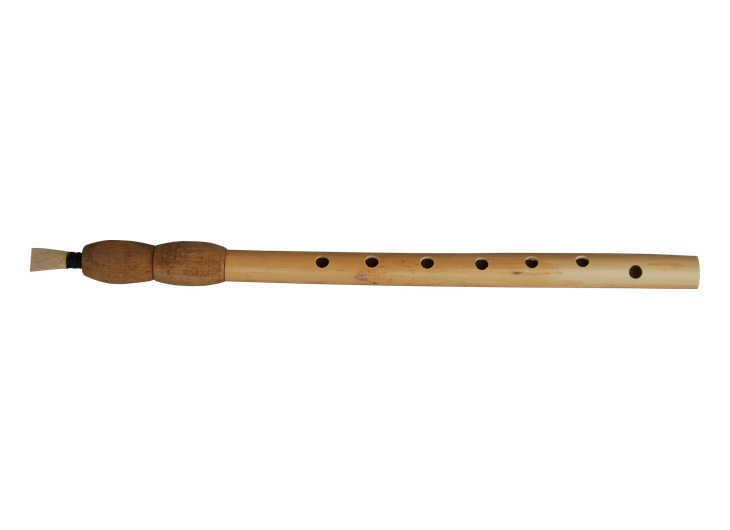
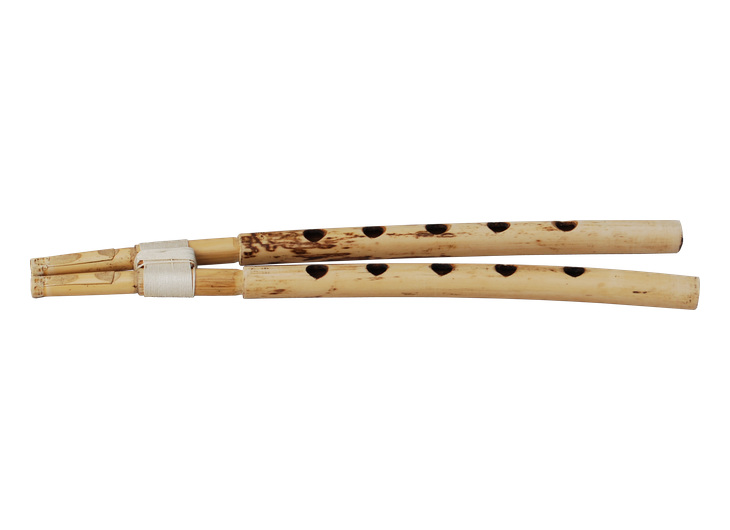
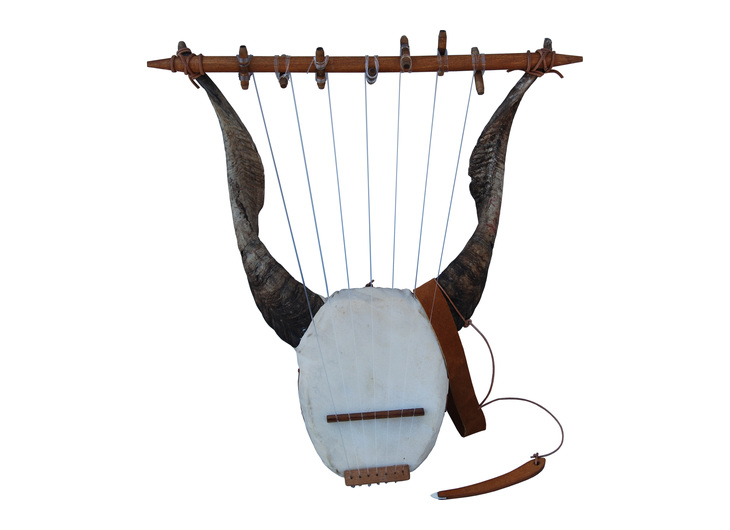
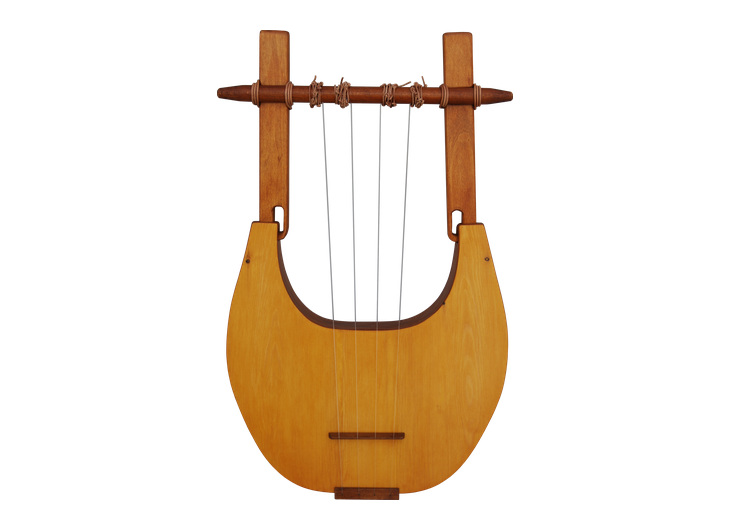
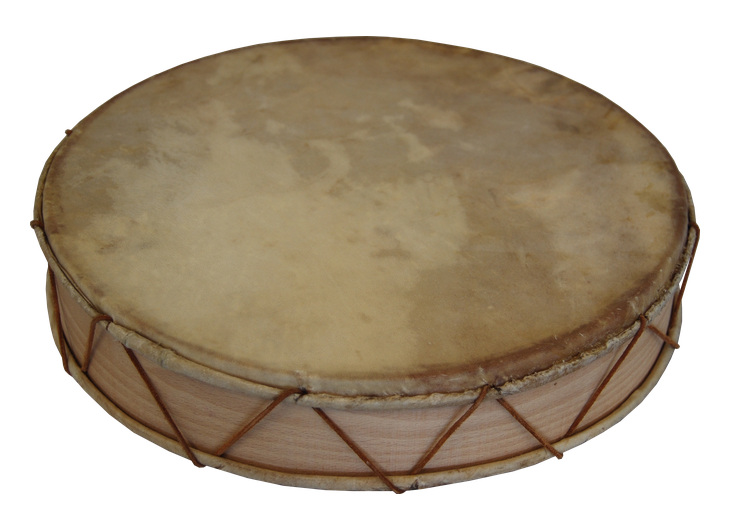
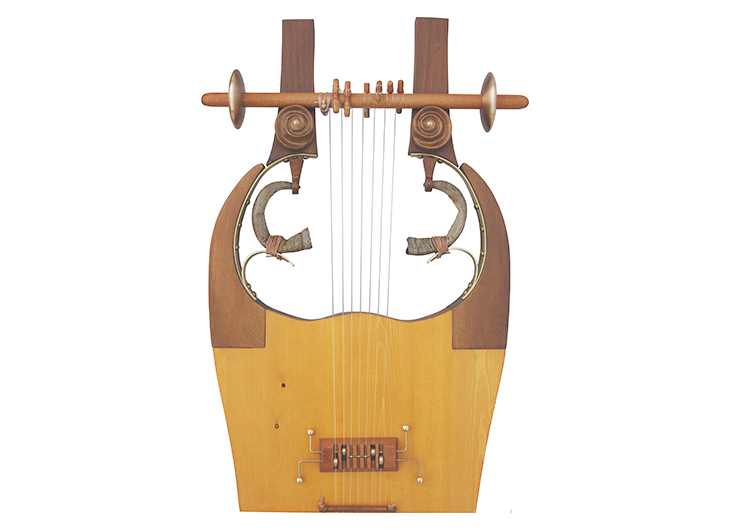
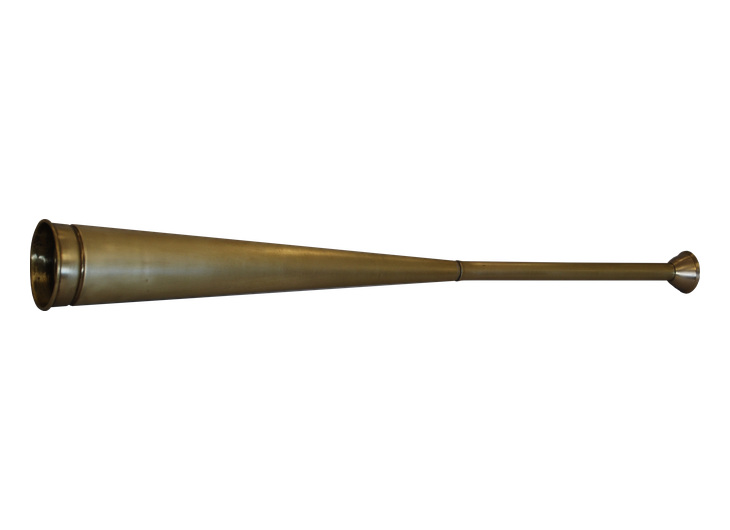
The multitude of artistic depictions and bibliographic references, as well as the sporadic extant musical fragments in the ancient notation (“parasimantiki”) allow us the reconstruction of numerous musical instruments and the revival of ancient Greek music.
Musical notation and musical testimonies
Since at least the 3rd century B.C., a system of musical notation appears on papyrus and inscriptions, where the notes are marked by letters above the syllables of the verses while the duration of the notes are depicted by particular additional marks above the letters. The yielding of the notes is known from the extensive tables of many writers (e.g. Alypios).