THE HYDRAULIC TECHNOLOGY OF THE ANCIENT GREEKS
- KEY HIGHLIGHTS
- Robotics
- computing mechanisms
- Automation & Programming
- Telecommunication
- CRYPTOGRAPHY
- astronomy
- AUTOMOTION & AUTOMATIC NAVIGATION
- Steam mobility
- Jet Propulsion
- RELIGIOUS TECHNOLOGY
- “PNEUMATIC” AUTOMATA
- MEASURING INSTRUMENTS
- TOOLS & MACHINES
- GEODESY & CARTOGRAPHY
- timekeeping
- Gadgets
- HOISTING MACHINES
- MILITARY TECHNOLOGY
- ATHLETIC TECHNOLOGY
- Strategy & showing games
- MEDICAL TECHNOLOGY
- HYDRAULIC TECHNOLOGY
- NAVAL TECHNOLOGY
- TEXTILE TECHNOLOGY
- ancient theatre technology
- AGRICULTURAL TECHNOLOGY
- The Measurements of Man
- PULLING MACHINES
- KINEMATIC MECHANISMS
- WIND & HYDRAULIC ENERGY
- MATERIAL TECHNOLOGY
- MUSICAL INSTRUMENTS
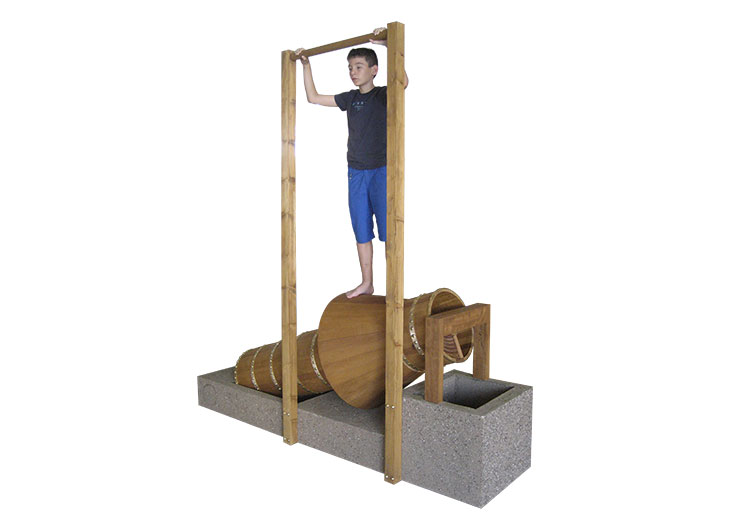
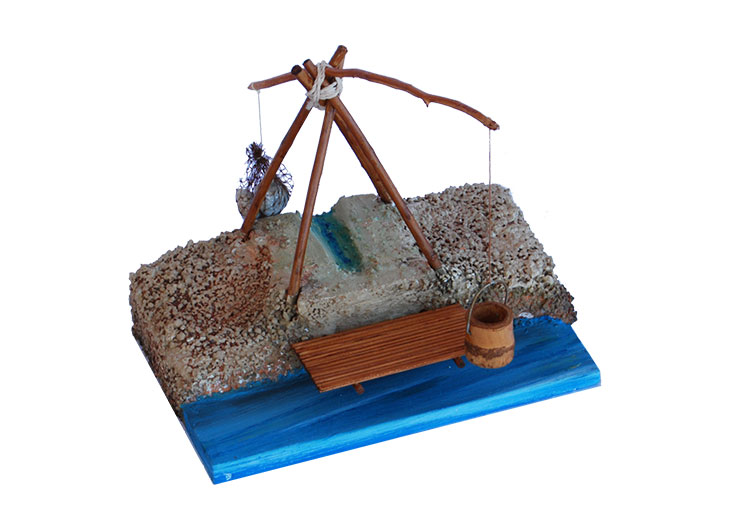
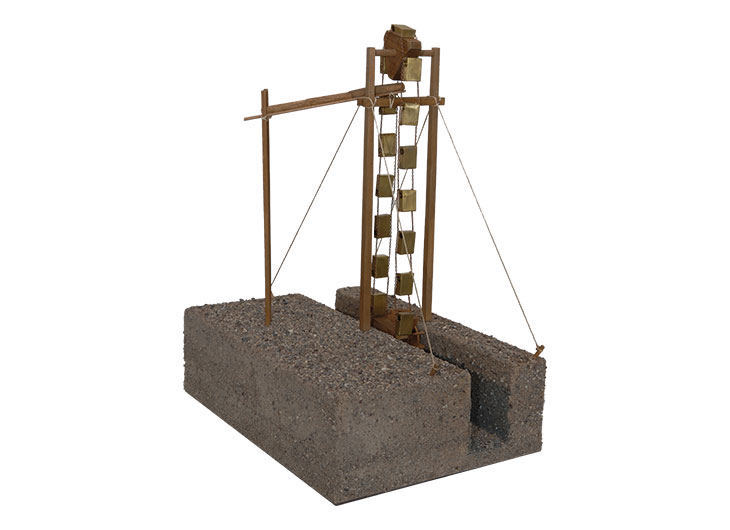
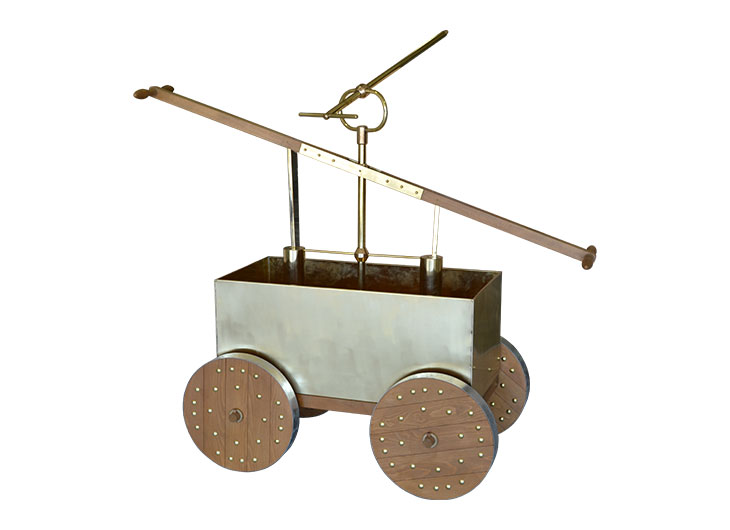
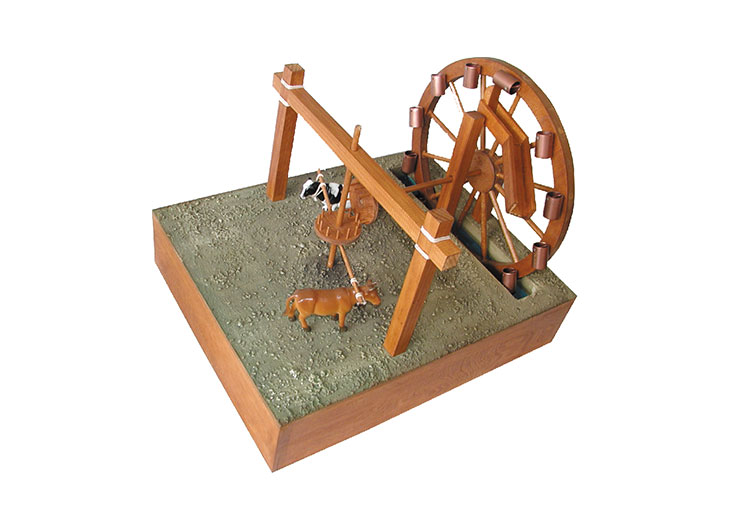
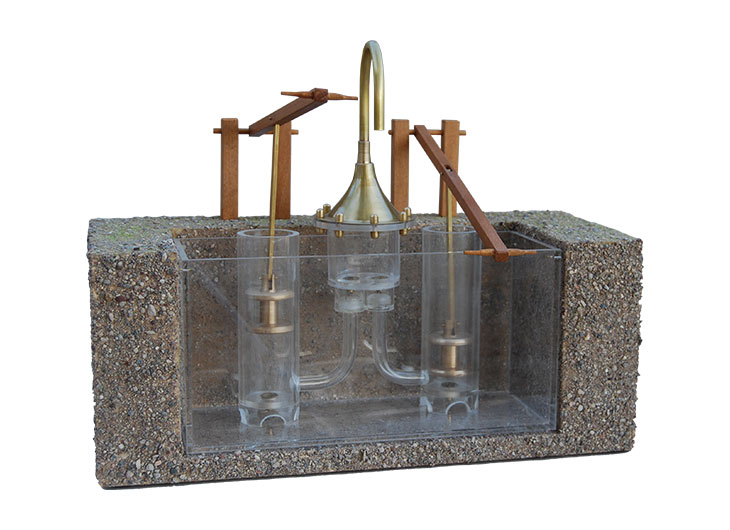
In the art of hydraulics, the Greeks assimilated the techniques of other civilisations, developed them or devised new ones with great ingenuity such as the famous machines of the 3rd c. B.C.: the hydraulic screw of Archimedes, the piston pump of Ktesibios, the fire-extinguishing pump of Heron, the sub-divided wheel and chain pump of Philon of Byzantium, etc.
In the constructions of the hydraulic networks, the most ancient drainage network in the Kopaida area (14th c. B.C.) impresses even today with its size (more than 2300 metres of underground drainage tunnel) while the tunnel of Eupalinos (6th c. B.C.) on Samos island (an underground tunnel of 1036 metres for the installation of a drinking water transfer pipe under the mountain) is one of the greatest achievements of antiquity, with continuous function for more than 1000 years, and an object of admiration especially for the method of construction with the simultaneous opening from both ends.
By transferring principles from the art of hydraulics to other sectors, they created unbelievable constructions (e.g. the hydraulic musical organ Hydraulis).