THE ASTRONOMY OF THE ANCIENT GREEKS
- KEY HIGHLIGHTS
- Robotics
- computing mechanisms
- Automation & Programming
- Telecommunication
- CRYPTOGRAPHY
- astronomy
- AUTOMOTION & AUTOMATIC NAVIGATION
- Steam mobility
- Jet Propulsion
- RELIGIOUS TECHNOLOGY
- “PNEUMATIC” AUTOMATA
- MEASURING INSTRUMENTS
- TOOLS & MACHINES
- GEODESY & CARTOGRAPHY
- timekeeping
- Gadgets
- HOISTING MACHINES
- MILITARY TECHNOLOGY
- ATHLETIC TECHNOLOGY
- Strategy & showing games
- MEDICAL TECHNOLOGY
- HYDRAULIC TECHNOLOGY
- NAVAL TECHNOLOGY
- TEXTILE TECHNOLOGY
- ancient theatre technology
- AGRICULTURAL TECHNOLOGY
- The Measurements of Man
- PULLING MACHINES
- KINEMATIC MECHANISMS
- WIND & HYDRAULIC ENERGY
- MATERIAL TECHNOLOGY
- MUSICAL INSTRUMENTS
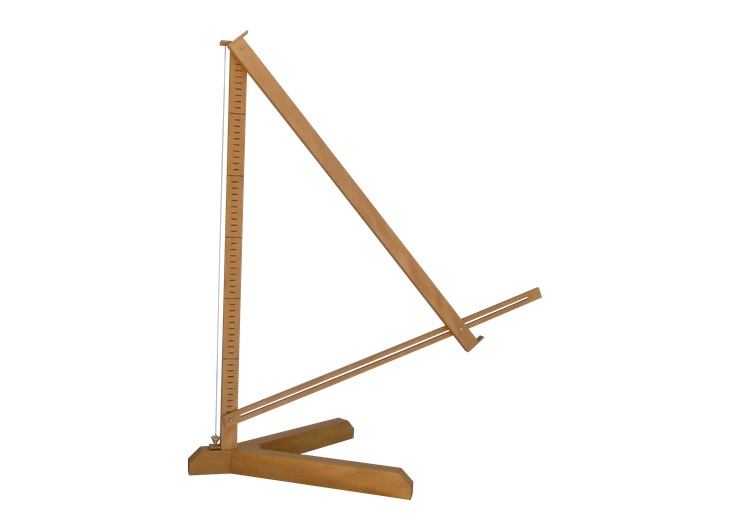
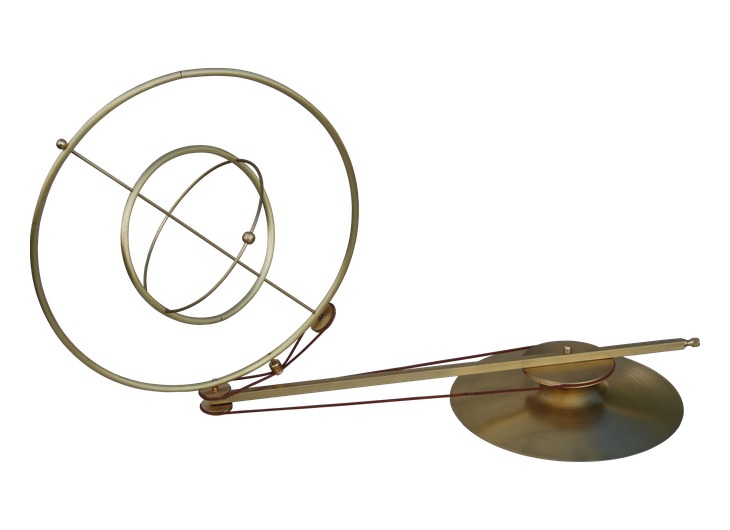
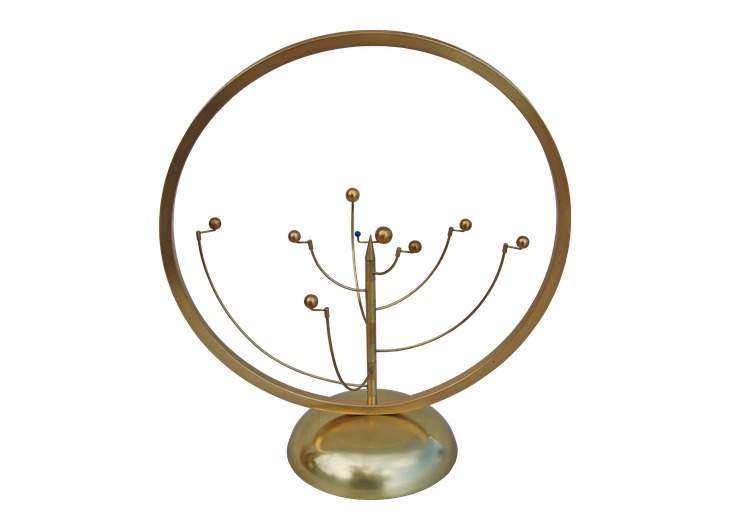
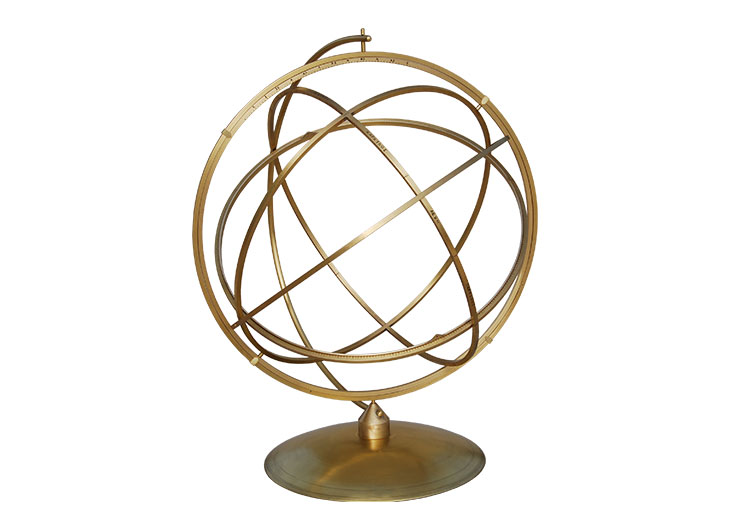
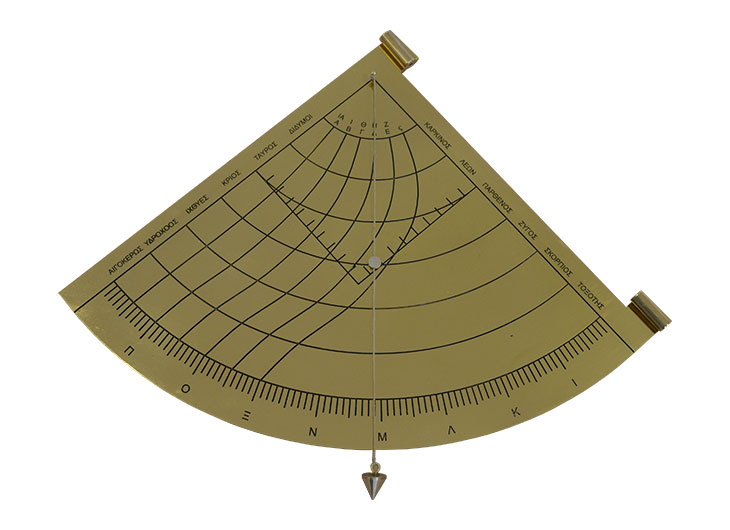
Astronomy is another science, in which the foundations were laid by the ancient Greek philosophers and astronomers. The legacy of the ancient Greeks to human civilization is invaluable and some examples are the conception of the sphericity of the Earth (Pythagoras, 6th century B.C.), the heliocentric system (Aristarchus of Samos, 310-230 B.C.), the precise measurement of the Earth’s circumference (Eratosthenes, 276-192 B.C.), the list of 1.030 stars with their exact polar coordinates and apparent size (Hipparchus, 2nd century B.C.), etc. Meanwhile, mathematical models and instruments for measuring and predicting solar and lunar eclipses, as well as the apparent motion of the planets were discovered. The accuracy of the astronomical instruments in the Hellenistic period and the observations of earlier astronomers were such, that allowed Hipparchus to discover the phenomenon of the precession of the equinoxes (equivalent to the periodic precession of the Earth’s axis) approximately every 26.000 years, and calculate accurately the duration of the (solar) year in 365+1/4-1/304 (365,24671) days.