The Antikythera Mechanism
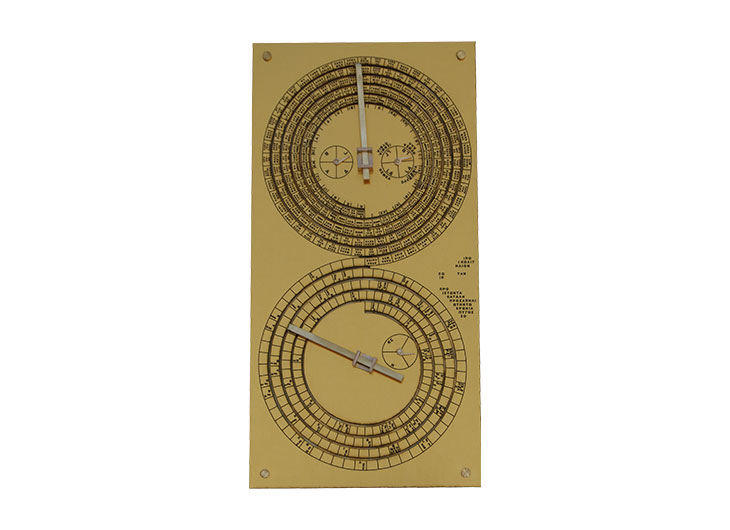
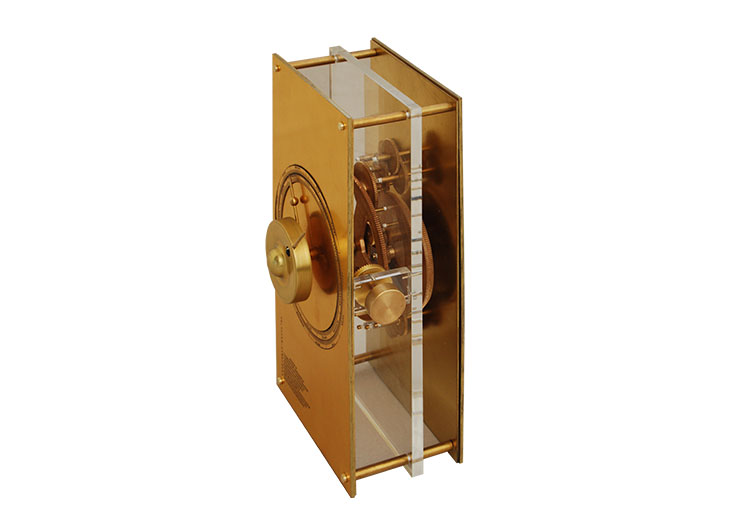
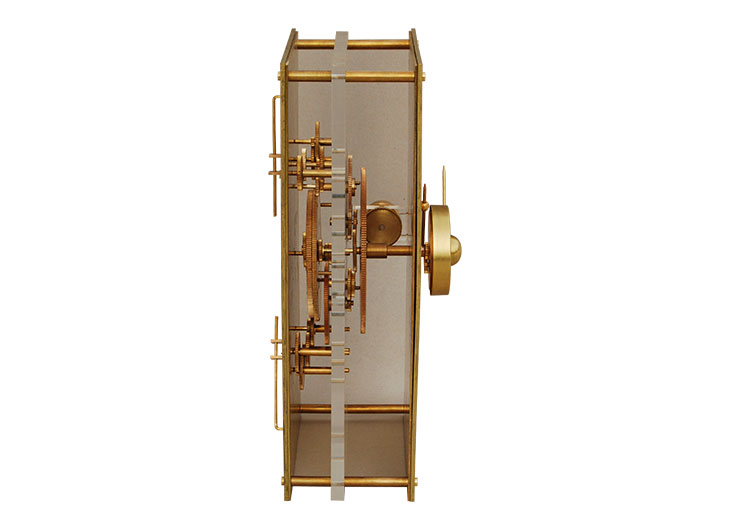
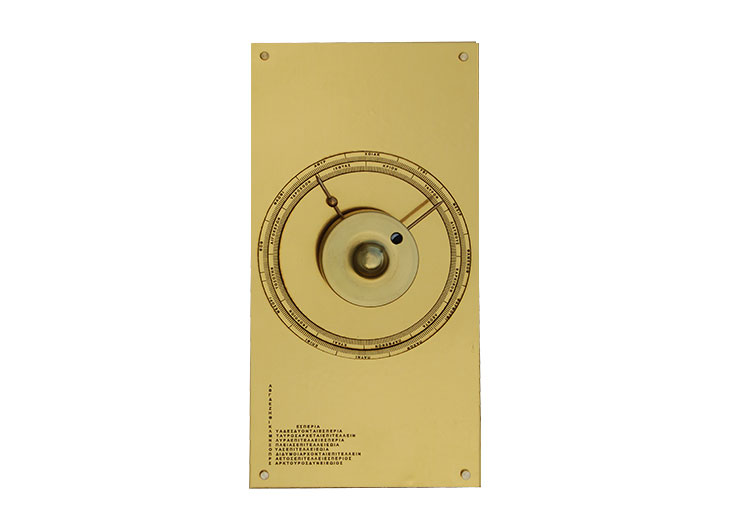
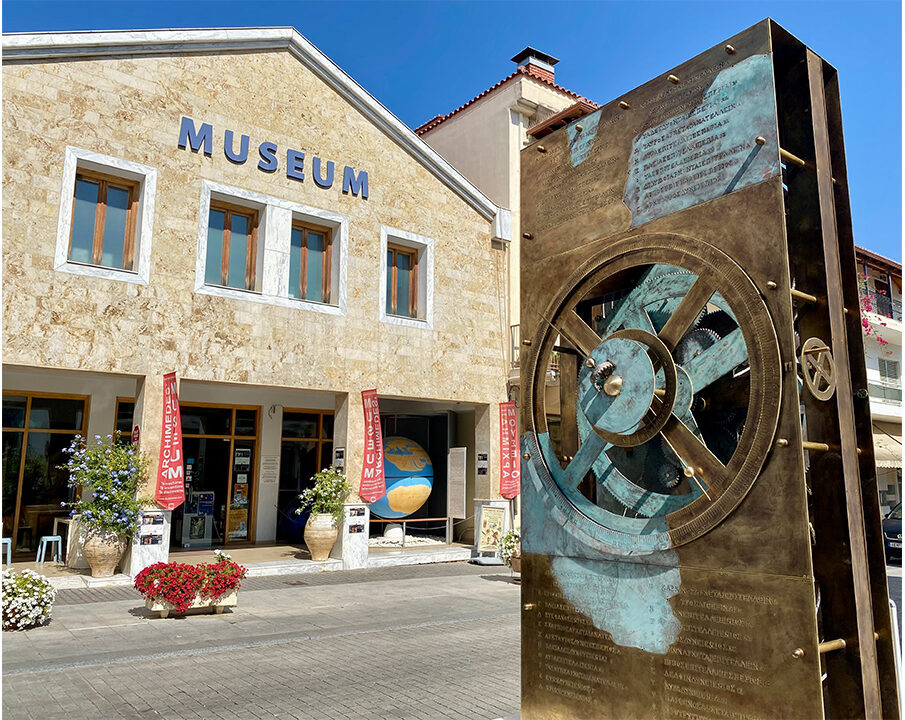
The Antikythera Mechanism turned the motion of gears into astronomical information. Built in the Hellenistic period, it is the oldest known surviving analogue astronomical calculator. Working models at Kotsanas Museum reveal how its gears connect the Sun, the Moon, calendars and eclipse cycles.
The original bronze fragments were recovered in 1901 from a shipwreck near Antikythera. They are held at the National Archaeological Museum in Athens, which dates the instrument to approximately 150–100 BC. The models at Kotsanas Museum explain the mechanism through reconstruction and demonstration.
Watch the gears come together
This four-minute animation shows the assembly of a model of the Antikythera Mechanism and then brings its connected displays into motion. Watch in full screen to follow the smaller gears and inscriptions.
Assembly and operation of a modern model · 4:03.
How the Antikythera Mechanism works
Explore the mechanism in 3D and set in in motion
The mechanism uses gear ratios to represent relationships between astronomical periods. Turn one gear and others move at different speeds, determined by their numbers of teeth. Connected pointers translate these rotations into readable information.
It does not observe the sky or run software. It calculates through a purpose-built arrangement of moving parts. In a working model, turning the input lets us follow how its displays change together over time.
The front: the Sun and the Moon
The front displays relate the positions of the Sun and Moon along the zodiac to the calendar and the Moon’s phases. A special gearing arrangement also represents the Moon’s changing apparent speed. This is more than a collection of uniformly rotating pointers.
The back: calendars and eclipse cycles
Two spiral scales organise long sequences of months within a small space. The upper spiral follows the Metonic cycle; the lower follows the Saros.
- Metonic cycle: 235 lunar months are approximately equal to 19 solar years. The upper spiral distributes these months over five turns, linking a lunar calendar to the seasons.
- Saros: 223 lunar months, or about 18 years, 11 days and 8 hours. Markings on the lower, four-turn spiral indicate months in which eclipses may occur.
- Exeligmos: three Saros cycles, or 669 lunar months. This cycle helps correct the time of day associated with successive eclipse predictions.
Here, a lunar month means the interval from one new Moon to the next. An eclipse prediction does not mean the event will be visible everywhere on Earth. A smaller dial also tracks the cycle of ancient athletic festivals, connecting astronomical timekeeping with public life.
Were there similar devices?
Yes. Ancient accounts describe mechanical planetaria associated with Archimedes and Posidonius. The anaphoric clock used water to turn a representation of the sky behind a grid, indicating the hours as they varied with the season. These devices served different purposes, but together they show that the Antikythera Mechanism belonged to a developed Greek tradition of astronomy, timekeeping and mechanical design.
Why did this technology disappear?
There is no single proven explanation. Political upheaval, changing support for scientific centres and the loss of texts and workshop traditions could interrupt the transmission of specialised skills. Valuable metal could also be melted down and reused, leaving few physical traces. Losing the objects and losing the knowledge to make them are related, but different, processes. Nor did all mechanical astronomy vanish: a surviving Byzantine sundial with a geared calendar shows that some related techniques continued.
See the mechanism in motion at Kotsanas Museum
The museum’s working reconstruction of the Antikythera Mechanism makes the relationships between gears and indicators visible. Watching the motion pass through the gear train helps explain what the numbers on the scales mean.
During a demonstration, follow three things: the input being turned, the pointers moving at different rates, and the information shown on the front and back. The cycles become easier to understand when their relationships can be seen in motion.
Kostas Kotsanas’s book The Mechanism of Antikythera in Practice develops this practical approach through drawings, construction principles, calibration and examples of use.
Plan a visit or explore a working model
Find information about visiting Kotsanas Museum in Athens and contact the museum to confirm arrangements for a demonstration. Schools and groups can also explore the educational programme Calculating Mechanisms in Antiquity.
The official museum shop presents a working model of the Antikythera Mechanism. Consult the product page for specifications and current availability, and contact the museum for information about the book.
Further reading
Kotsanas, K. (2025). The Mechanism of Antikythera in Practice. Kotsanas Museum of Ancient Greek Technology, Ancient Olympia.